4 Reasons Your Periodontist Might Recommend Laser Dentistry
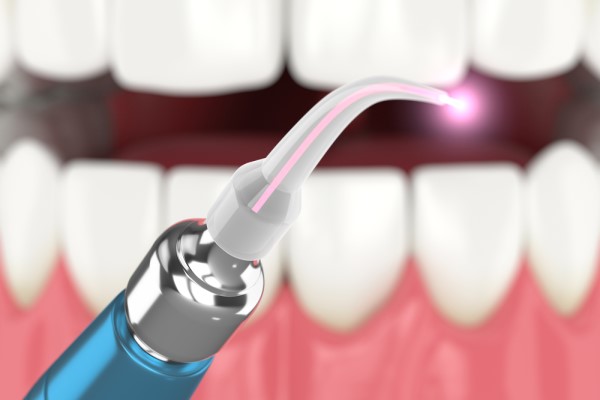
For patients seeking an innovative approach to dental treatment, laser dentistry may be a good option. Periodontists use laser dentistry in various dental procedures. It provides an accurate and advanced way to treat the oral health problems of patients comfortably and effectively. In this article, discover why a periodontist may suggest laser dentistry.
Applications of laser dentistry
The following are situations where laser dentistry can be effective.
1. Decay removal
Conventional dental drills are the norm for removing tooth decay. However, many patients dislike this method due to the vibration, sound, and smell. Lasers rapidly heat the decayed part to concurrently destroy the bacteria and remove decay from the tooth surface. The process is fast and typically causes less pain to the patient. In the case of small cavities, local anesthesia is sometimes unnecessary.
2. Periodontal disease treatment
The accumulation of plaque and tartar on the teeth can create a breeding ground for oral bacteria. The bacteria produce acids and toxins as they multiply, causing gum inflammation. If left untreated, this could lead to gum recession and the creation of gingival pockets around the teeth. In advanced cases of gum disease, the teeth may loosen or eventually fall out. With laser dentistry, periodontists can clean gingival pockets and promote gum healing.
There is also a laser treatment that involves the use of a special periodontal laser probe to remove oral bacteria. The dentist inserts the probe into the gingival pocket and probes around the tooth to kill bacteria and remove infected tissues while protecting tooth enamel and gum from further damage. The procedure is quick, effective, and minimally invasive. According to a report from the American Dental Association, this type of treatment can reduce gum pocket depth and better promote remineralization compared to regular treatments for gum disease.
3. Improving gum appearance
Lasers can be used to transform the color and shape of the gum tissues. Gums surround the teeth, which means that problems with overgrown tissues and surplus melanin can make the smile look less aesthetically pleasing. However, with dental lasers, periodontists can quickly remove age spots and dark areas to restore the health and pink look of the gums.
4. Gum recontouring
A periodontist can recommend laser dentistry to eliminate or contour gum tissues and make the teeth appear straighter. For instance, some patients have a gummy smile, which makes the teeth look shorter than they are. In a process known as crown lengthening, the dentist can use dental lasers to cut and contour the gum tissues to expose more of the tooth's natural surface.
Potential advantages of laser dentistry
The benefits of laser dentistry include the following.
Optimization
A periodontist may modify the laser's intensity and wavelength to best suit their patients' needs. This is helpful because there are varying degrees of periodontal disease. In this way, the dentist can have complete control over the treatment. It also enables dentists to give care specifically designed to meet each patient's requirements.
Reduced bleeding
Gingivitis is a common cause of bone loss and severe gum bleeding. This means cleaning the teeth and the spaces between the gums and teeth is essential. When using a laser, the bacteria are rapidly eliminated and gum inflammation and bleeding are reduced. This procedure can also help patients avoid more invasive procedures for gum disease.
Tooth preservation
Laser procedures are incredibly precise. When the dentist is in the process of filling cavities, healthy tooth structure can be protected. Patients suffering from severe bacterial infections can benefit greatly from this. The most lasting results are attainable by preserving as much as one's natural teeth as possible.
Faster recovery times
The tooth, gum, and surrounding tissue sustain little damage during laser therapy. Therefore, recovery times after surgery are typically quite short, and patients frequently make speedy recoveries. In addition, the whole procedure takes less time.
Lasers aid in sterilizing a dental provider's working environment because they reduce the need for various instruments. Infections caused by germs are far less likely to occur when lasers are used. Laser therapy may shorten treatment periods while still achieving ideal therapeutic benefits. It also reduces pain and the need for invasive treatments.
In conclusion
Laser dentistry enables periodontists to perform common dental procedures with ease. It is generally comfortable and provides precision during treatment, making it a reasonable alternative for patients suffering from dental anxiety. The recovery period is also generally faster, especially since lasers can help reduce or stop bleeding during complicated procedures. Book an appointment with a periodontist to learn about laser dentistry and how it can be used to improve your smile.
Request an appointment here: https://www.texasipc.com or call Texas Implant & Dental Specialists at (972) 535-6555 for an appointment in our Plano office.
Check out what others are saying about our dental services on Yelp: Laser Dentistry in Plano, TX.
Related Posts
All-on-4 is a great option to consider for restoring your smile. However, patients may have questions about this complicated process. Fortunately, our team can help answer any questions you have during an appointment. Here are several questions to bring to your first consultation.Though this question may seem obvious, considering it is the reason the consultation…
Curious about All-on-4® dental implants? Read on to learn more. For several decades, traditional dentures were the norm for restoring several missing teeth. With the introduction of dental implants, patients have a more natural-looking, less problematic alternative. All-on-4 dental implants take the benefit a notch higher. Now, it is possible to replace an entire arch…
A condition commonly treated by a periodontist, gum disease is a chronic ailment with various symptoms. Gingivitis, the first stage of periodontal disease, is characterized by tender, red, and bleeding gums. Unfortunately, many people are unaware of the risks for this illness. Learning about the risk factors can help you take necessary precautions to prevent…
All-on-4® implants are a method of tooth replacement that many dental professionals use to replace teeth. This treatment combines the benefits of dental implants and fixed dentures to create an effective tooth replacement method. However, because this is an invasive surgery, patients must meet certain eligibility criteria.Peridiodontiusts often reserve All-on-4 for patients who are missing…