Ask a Periodontist: What Are Risk Factors for Gum Disease?
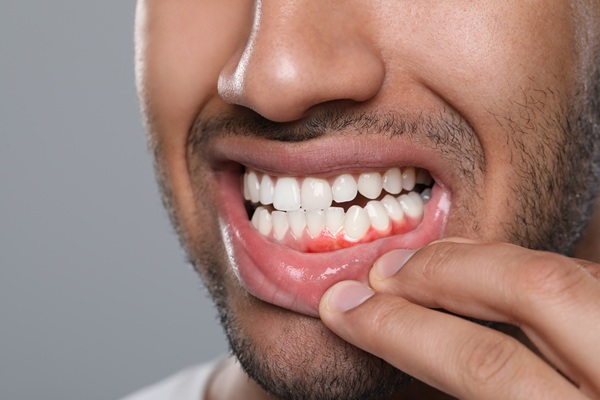
A condition commonly treated by a periodontist, gum disease is a chronic ailment with various symptoms. Gingivitis, the first stage of periodontal disease, is characterized by tender, red, and bleeding gums. Unfortunately, many people are unaware of the risks for this illness. Learning about the risk factors can help you take necessary precautions to prevent gum disease from wreaking havoc on your smile and overall health.
The risk factors of gum disease
An accumulation of bacterial plaque and tartar on the teeth causes gum inflammation. Gums become progressively damaged as the condition continues, receding from the teeth and loosening in their sockets. Gum disease remains the leading cause of adult tooth loss in the US. Patients will need to undergo surgery from a periodontist to repair and restore the oral structures damaged by the disease. Risk factors include the following:
Poor oral hygiene habits
Buildup on the teeth produces bacteria that cause gum inflammation and infection, marking the beginning of gum disease. This buildup is frequently caused by inadequate oral hygiene habits, such as improper brushing or not flossing regularly. The sticky plaque remains on the teeth for longer than necessary. Also, skipping dental checkups and cleaning appointments can make patients prone to developing gum disease.
Tobacco use or smoking
Smoking lowers the body's resistance to infection and impairs the body's ability to heal after a diagnosis of gum disease. According to a study published in the Journal of Dental Research, smokers are at double risk of experiencing gum disease throughout their lives, so good dental habits are essential. In addition, smokers are advised to quit the habit to protect their smiles, enhance their overall well-being, and lower the chances of developing much more severe diseases than gum disease.
Genetics and age
Gum disease becomes more likely as people grow older since their bodies are more vulnerable to infection and disease. In the same vein, heredity can increase the risk of gum disease, especially if close relatives have it.
Systemic disease
Diabetes, rheumatoid arthritis, and heart disease are systemic disorders that severely affect the body's inflammatory system and impair the immune system. Gum disease and systemic diseases have a symbiotic relationship. Gum disease can make systemic disorders more likely, and systemic conditions can make gum disease more likely. Since these diseases are treatable or manageable, it is vital to get the appropriate periodontal and medical care.
The use of medication
Dry mouth is a side effect of various medications, including antidepressants and certain cardiac medications. Food debris is more challenging to clean off the teeth when there is less saliva in the mouth. Saliva also has powerful antibodies that aid in the battle against bacteria. Thus, a decrease in saliva raises the likelihood of cavities and periodontal disease in the worst-case scenario.
Cancer
Many studies have suggested there is a probable link between oral cancers and tooth loss caused by periodontal disease.
The specific relationship between cancer and periodontal disease has not yet been established, although the postulation is that bleeding gums allow bacteria that cause inflammation to enter the body, hence increasing the risk of developing cancer.
Hormonal changes
Periodontal disease is more likely to occur in women at various points in their lives when their hormone levels are elevated. When hormone levels rise, the gums become more sensitive to bacteria that cause gum disease, resulting in red, swollen, and sore gums that are more likely to bleed. Puberty, menstruation, pregnancy, and the menopausal transition are all high-risk times.
Lowering the risks
There are various steps patients can take to lower their chances of developing periodontal disease, although everyone is at risk for it. Brushing and flossing the teeth at least twice a day is a critical preventative measure. Tobacco use, overall health, the severity of periodontal disease, and hereditary predisposition to periodontal disease are other variables that may determine the need for more frequent periodontal examinations.
Regular dental and periodontal examinations by a dental specialist every six months are the most effective way to prevent periodontal disease in patients who have not yet been diagnosed with it or have a higher risk of developing it. However, patients with periodontal disease or at higher risk of developing it may benefit from more frequent examinations. Regular exams enable the periodontist to keep track of the patient's dental health, do thorough cleanings, and catch problems early on before they worsen.
Final note
Meeting with a dental professional is an important first step in getting your dental health back on track and creating a solid foundation for excellent oral health in the long term. If you notice the signs of gum disease or are at risk, please book an appointment with the periodontist to discuss your options.
Request an appointment here: https://www.texasipc.com or call Texas Implant & Dental Specialists at (972) 535-6555 for an appointment in our Plano office.
Check out what others are saying about our dental services on Yelp: Periodontics in Plano, TX.
Related Posts
Periodontics is a specialized field of dentistry that focuses on the prevention, diagnosis, and treatment of periodontal disease and other conditions affecting the gums, as well as the placement and maintenance of dental implants. It is essential for maintaining the gums' health and the teeth' supporting structures. If your dentist has recommended the care of…
Periodontal procedures are generally used to address oral health concerns such as periodontitis. However, many are surprised to learn about the cosmetic advantages surgical procedures from a periodontist can provide. This review discusses several procedures periodontists perform that have cosmetic uses and help to improve the health of the gums and jawbone.Notable periodontal cosmetic surgical…
There are various periodontal cosmetic procedures to choose from if you have missing teeth. Most people will lose at least one of their teeth at some point in their lives.Gum disease is the top cause of adults losing their teeth. It is a bacterial infection that leads to the inflammation of gum tissues. A periodontist…
Gum disease is a common condition among adults. Also known as periodontal disease, it occurs when bacterial attacks damage the gum and bone tissue that support teeth. Gum disease, along with its effects, often need to be treated before the placement of dental implants during the teeth replacement process.Much like natural teeth, dental implants are…