Types of Dental Veneers, From Porcelain to No-Prep
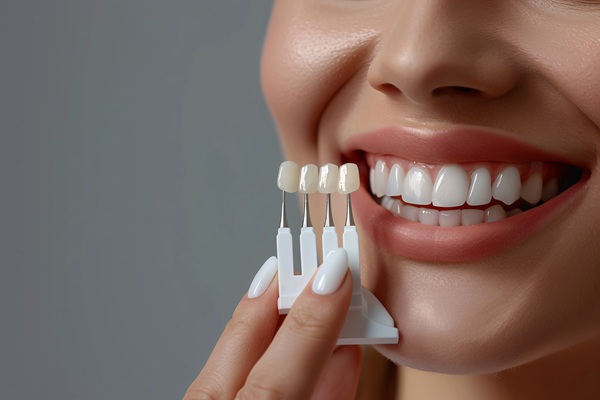
Dental veneers are widely used in periodontics and prosthodontics to improve the appearance of smiles. There are a variety of different options available, from porcelain and composite to removable and no-prep. Understanding the different materials and techniques can help you make an informed decision about the best option to achieve your dream smile.
Understanding dental veneers
Dental veneers are thin restorations designed to cover the visible surface of teeth to improve their appearance and symmetry. Periodontists and prosthodontists will use dental veneers to address the following cosmetic issues:
- Discoloration
- Chipped teeth
- Worn enamel
- Uneven spacing
- Minor alignment concerns
Veneers are custom-crafted to match surrounding teeth, allowing them to blend naturally into the smile. Depending on the material and technique used, veneers can vary in durability, invasiveness, and overall aesthetic outcome.
Types of dental veneers
Porcelain veneers
Porcelain veneers are one of the go-to treatments in dental restorations. These veneers are fabricated from high-quality ceramic materials that closely replicate the translucency and light-reflecting properties of natural tooth enamel. Their resistance to staining and color stability make porcelain veneers a long-term aesthetic solution.
The placement process typically involves removing a thin layer of enamel from the front of each tooth to ensure proper fit and bonding strength. This step allows the veneers to sit flush with adjacent teeth, preventing the restoration from looking bulky. However, it is important to remember that enamel removal is permanent; porcelain veneers are considered irreversible. Fortunately, their durability, strength, and natural-looking design make them a preferred choice for those looking to restore the long-term appearance of their smile.
Composite veneers
Composite veneers are created using tooth-colored resin material applied directly to the tooth surface. This technique allows the dental professional to sculpt, shape, and polish the veneer during a single appointment. Patients often choose composite veneers for their affordability and the conservative approach they offer compared to porcelain veneers.
Although composite veneers can produce noticeable cosmetic improvement, they are generally less durable than porcelain veneers. The resin material is more prone to staining, chipping, and wear over time, requiring more frequent replacement. That said, periodontists or prosthodontists often recommend composite veneers, minor cosmetic corrections, or an interim solution before pursuing more durable dental veneers.
No-prep veneers
No-prep veneers are ultra-thin shells that bond directly to the existing tooth surface with minimal enamel removal. Unlike other options, it leaves the majority of the natural tooth structure. No-prep veneers are often appealing to those seeking a more conservative approach to improving the appearance of their smile.
This type of dental veneer is best suited for specific cases, such as small teeth, minimal discoloration, or slight spacing concerns. However, no-prep veneers may not be ideal for severely misaligned teeth or those with previous restorations. Additionally, in certain situations, adding material without harming the enamel can create an unnatural or bulky appearance.
Removable veneers
Removable veneers, also known as snap-on veneers, differ significantly from traditional dental veneers. These appliances are custom-made to fit over the patient's existing teeth and can be inserted and removed as needed. Removable veneers are typically fabricated from resin or similar materials and do not require the dental professional to remove enamel or place permanent bonding.
Patients often choose removable veneers for temporary cosmetic improvements for special occasions or to achieve a more uniform smile without fully committing to veneers. While removable veneers can improve the appearance of a smile when worn, they do not offer the same authenticity, comfort, or durability as permanent veneers. They may also affect speech or eating. It is important to note that they are not intended as a substitute for restorative dental care. Rather, removable veneers serve primarily as a cosmetic addition rather than a long-term dental solution.
How to choose the right type of dental veneers
Each type of dental veneer offers unique benefits. For example, porcelain veneers provide superior longevity and cosmetic advantages. Meanwhile, no-prep veneers preserve more of the natural teeth. The appropriate choice depends on the patient's overall health, restoration goals, and compliance with maintenance. A thorough treatment plan by a periodontist or prosthodontist will consider the patient's tooth structure, bite alignment, and desired durability to ensure predictable and satisfying outcomes.
Improve your smile with dental veneers
Dental veneers encompass a range of solutions. When you understand the differences and how they can benefit your unique smile needs, it is easier to select the most effective option for your needs. Do you have questions about the veneer options we offer at Texas Implant & Dental Specialists? Call our Plano office today to learn more or to schedule a consultation.
Request an appointment here: https://www.texasipc.com or call Texas Implant & Dental Specialists at (972) 535-6555 for an appointment in our Plano office.
Check out what others are saying about our dental services on Yelp: Dental Veneers and Dental Laminates in Plano, TX.
Related Posts
Dental veneers are one of the most versatile treatment options for a smile makeover. This popular type of dental work can fix various issues, provides natural-looking results, and lasts for many years. In fact, the American Dental Association reports that dental veneers can last ten years or more with proper care.Veneers have been around for…
Dental veneers are an effective solution to enhance the smile. These thin, custom-made shells cover the front surface of teeth, addressing a range of imperfections. However, the benefits of dental veneers can extend beyond aesthetics, offering cosmetic and functional improvements.Dental veneers are ultra-thin shells of materials like porcelain or resin composite that can mask cosmetic…
Are you considering clear aligners for straightening your teeth? Read on to learn more about this treatment option. When deciding on a course of orthodontic treatment, clear aligners should be included in the conversation. While this option may not be as popular as traditional braces, the profile of this less-invasive, less-visible smile corrector is on…
Invisalign® is a teeth straightening treatment method that uses clear aligner technology to gradually move teeth into the proper alignment. Invisalign® has grown in popularity over the past decade, and this review discusses the reason for its rising popularity.Invisalign is popular for several reasons. One of the more notable reasons is that they offer a…