When Is Gum Grafting Necessary?
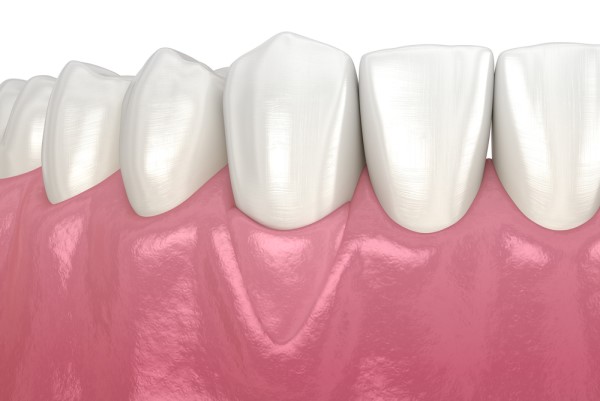
Gum grafting is a procedure that is often necessary after severe gum recession has occurred. This can leave the root of the tooth vulnerable and jeopardize the health of the supporting bone. By understanding exactly why gum grafting may be required, you can make an informed decision as to whether you should seek this kind of treatment.
An overview of gum grafting
There are a variety of reasons gum grafting may be required. Whether it is needed can better be determined by having a general understanding of what the procedure involves and its intended purpose. The following are some important things to know about gum grafting. This includes what it is, when to consider it and how to prevent the need for gum grafting in the future.
What is gum grafting?
Gum grafting is a surgical procedure performed to treat the effects of gum recession. The procedure involves taking gum tissue from the roof of the mouth and applying it to the area where the gums have receded and caused complications. Although it is a type of surgery, the procedure is not really invasive and the entire procedure can typically be effectively completed in one visit.
Gum grafting provides the patient with increased tooth protection, particularly protection of the root of the tooth, as well as additional support to ensure bone loss does not occur and lead to tooth loss.
When to consider gum grafting
In many cases, gum grafting is optional and the patient simply requests the procedure for cosmetic reasons. But, there are times when gum grafting may be necessary or at the least strongly recommended. Perhaps one of the more common reasons for gum grafting is to further protect a tooth after gum recession has taken place.
When severe cases of gum recession go untreated, it can cause oral health and cosmetic complications. More times than not, it eventually leads to the loss of the tooth and the need for a dental prosthesis. However, gum grafting may be desired in patients who feel they have overly large teeth and want to improve the appearance of their smile.
How to prevent the need for gum grafting
The best way to deal with gum recession is to prevent it from occurring in the first place. This can be achieved by doing everything possible to reduce the risk of periodontal disease and seeking treatment at the first sign of there being an issue.
When caring for the gums, be sure to brush the entire mouth gently, rather than only brushing the surface of teeth. It is also important to use floss and mouthwash daily, as these work to kill remaining bacteria and remove food particles that remain after brushing.
Gum grafting FAQs
The following are the answers to some questions that are often asked by patients who are in need of a gum graft procedure:
How long does gum grafting take?
Gum grafting procedures can vary in length depending on a variety of factors, such as the type of gum graft and how extensive the procedure is. On average, a gum graft procedure takes less than an hour. The total visit time, however, is usually around an hour and a half. It is important to arrive on time and follow the preparation instructions that are provided by the periodontist or oral surgeon.
How long does it take to heal from a gum graft procedure?
The procedure itself is not painful (due to the use of anesthesia). The recovery time usually takes one to two weeks; many patients are able to return to work and most normal activities within a week. It is important to follow the post-care instructions that are provided, which should include dietary restrictions, physical exercise restrictions, and instructions on how to keep the mouth clean to help avoid an oral infection or other oral health concerns.
What helps gums heal faster?
After a grafting procedure, there are certain things you can do to speed up the healing. Most importantly, avoid any irritation to the gums as this can increase swelling and slow down healing. Additionally, you can use ice packs to reduce swelling and eat a soft diet until the mouth heals.
The bottom line
If you experience symptoms of periodontal disease and have signs that gum recession has taken place, then consult with us and find out how we can help you restore the health and appearance of your smile. Here at our dental office, we can walk you through the entire gum grafting process, from the initial consultation to providing aftercare following the surgery.
Request an appointment here: https://www.texasipc.com or call Texas Implant & Dental Specialists at (972) 535-6555 for an appointment in our Plano office.
Check out what others are saying about our services on Yelp: Read our Yelp reviews.
Related Posts
All-on-4 is a great option to consider for restoring your smile. However, patients may have questions about this complicated process. Fortunately, our team can help answer any questions you have during an appointment. Here are several questions to bring to your first consultation.Though this question may seem obvious, considering it is the reason the consultation…
Curious about All-on-4® dental implants? Read on to learn more. For several decades, traditional dentures were the norm for restoring several missing teeth. With the introduction of dental implants, patients have a more natural-looking, less problematic alternative. All-on-4 dental implants take the benefit a notch higher. Now, it is possible to replace an entire arch…
A condition commonly treated by a periodontist, gum disease is a chronic ailment with various symptoms. Gingivitis, the first stage of periodontal disease, is characterized by tender, red, and bleeding gums. Unfortunately, many people are unaware of the risks for this illness. Learning about the risk factors can help you take necessary precautions to prevent…
All-on-4® implants are a method of tooth replacement that many dental professionals use to replace teeth. This treatment combines the benefits of dental implants and fixed dentures to create an effective tooth replacement method. However, because this is an invasive surgery, patients must meet certain eligibility criteria.Peridiodontiusts often reserve All-on-4 for patients who are missing…