EXCELLENCE ALWAYS
At [practice_name] in [city], [state], excellence defines everything we do. Led by Dr. [doctor_name], [dr_type], and Dr. [doctor_name2], [dr_type2], our team delivers precise, compassionate care that restores oral health, confidence and lasting function. Every smile reflects advanced training, modern technology and an unwavering commitment to exceptional results.
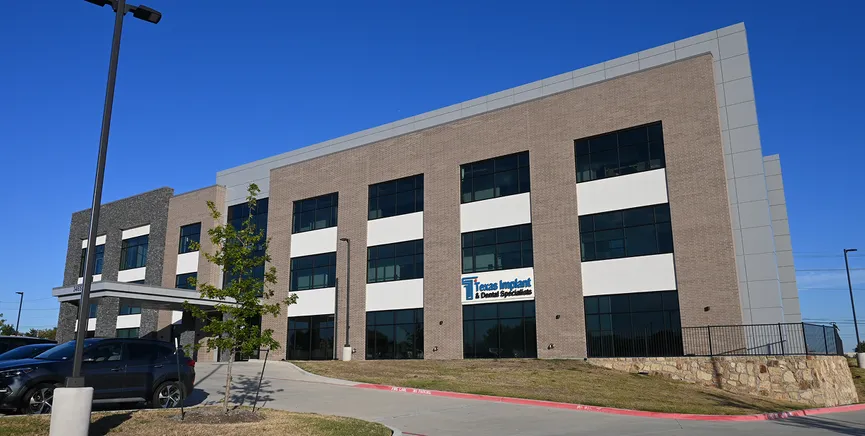
Welcome to [practice_name]
Welcome to [practice_name] in [city], [state], where advanced skill meets personalized care. Dr. [doctor_name], a board-certified [dr_type], and Dr. [doctor_name2], a skilled [dr_type2], collaborate to deliver complete implant and restorative solutions. Patients benefit from precision, comfort and seamless communication under one roof. From dental implants to full-mouth rehabilitation, every treatment is guided by expertise and modern technology. Our team values trust, transparency and long-term results, ensuring you feel confident through every stage of care. Discover why patients across [city], [state] choose our specialists for exceptional outcomes and renewed smiles.
More About Us
What Sets Us Apart
At [practice_name] in [city], [state], our dual-specialty team delivers unmatched precision and collaboration. Dr. [doctor_name], [dr_type], and Dr. [doctor_name2], [dr_type2], provide comprehensive implant and restorative care in one convenient location. With advanced training, modern technology and genuine compassion, we create predictable, lasting outcomes. Patients appreciate our attention to detail, clear communication and dedication to comfort throughout every stage of treatment - hallmarks that make our practice a trusted choice across [city], [state].
Learn More About Us
State Of The Art Technology
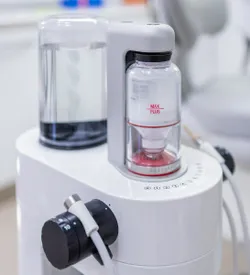
At [practice_name] in [city], [state], innovation drives every procedure. Dr. [doctor_name] and Dr. [doctor_name2] use advanced technology, including digital scanners, CBCT imaging and computer-guided implant placement, to achieve precise, predictable results. These tools enhance accuracy and comfort while reducing recovery time. From diagnosis to restoration, our modern approach ensures exceptional quality and efficiency, allowing patients throughout [city], [state] to experience dentistry that’s minimally invasive, highly effective and focused on lasting oral health.
View Our TechnologyMeet Our Specialists
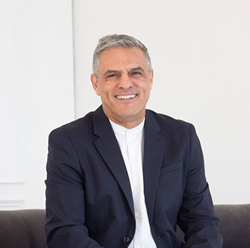
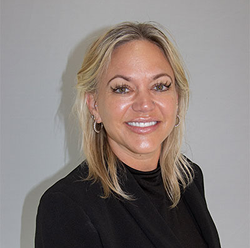
Marco A. Cueva, D.D.S., M.S.
Dr. Marco A. Cueva is a board-certified periodontist known for advanced skill and a caring approach. Originally from Curitiba, Brazil he earned his DDS from the Federal University of Paraná and his master's in Oral Biology with certification in Periodontics from Texas A&M University Health Science Center – Baylor College of Dentistry. Dr. Cueva lectures nationally and internationally and has published on implant and periodontal techniques. At Steele Family Orthodontics in San Antonio, Texas he provides precise, minimally invasive treatments focused on comfort, function and long-term health. His dedication to patient care and clinical excellence defines his work and inspires trust.
Learn More About Dr. CuevaLucy Nagashima, D.D.S., M.S.
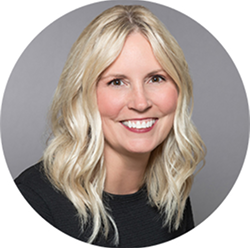
Dr. Lucy Nagashima is a prosthodontist recognized for her expertise in restorative, cosmetic and implant dentistry. She earned her DDS from the University of São Paulo in Brazil and completed her prosthodontic residency and master's degree at Texas A&M College of Dentistry. Dr. Nagashima focuses on full-mouth rehabilitation, implant restorations and smile design with an emphasis on precision and comfort. At Steele Family Orthodontics in San Antonio, Texas she collaborates closely with Dr. Marco A. Cueva to deliver seamless specialty care. Her attention to detail, artistry and dedication to patient satisfaction help create natural, confident smiles that look beautiful and feel lasting.
Learn More About Dr. Nagashima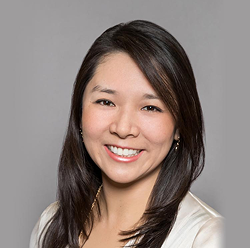
Comprehensive Specialty Care in [city], [state]
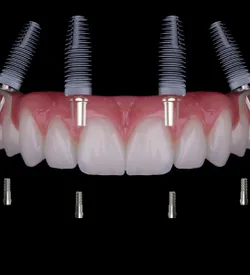
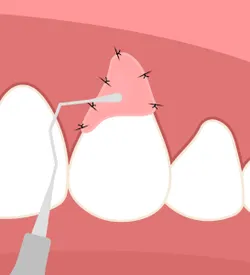
At [practice_name] in [city], [state], our specialty services combine advanced training and modern technology to restore comfort, health and confidence. Dr. [doctor_name], [dr_type], and Dr. [doctor_name2], [dr_type2], provide comprehensive solutions including dental implants, periodontal therapy, bone regeneration, full-mouth rehabilitation and smile enhancement. Each treatment plan is personalized to deliver predictable, lasting results through minimally invasive techniques and digital precision. Our collaborative approach allows patients to receive complete implant and restorative care in one location. Patients throughout [city], [state] choose our practice for trusted expertise, gentle care and results that strengthen oral health while transforming the way they smile.
VIEW ALL SERVICES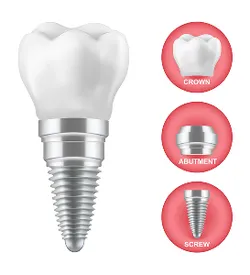
Experience Our Modern,
Welcoming Space
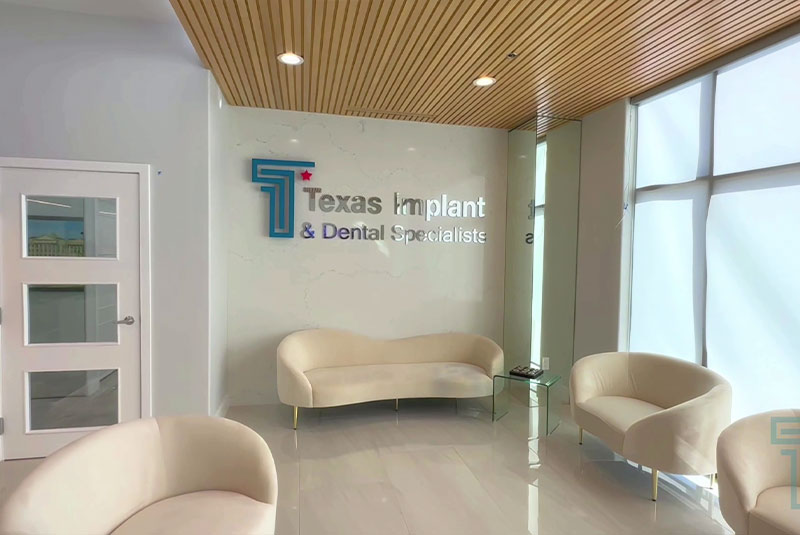
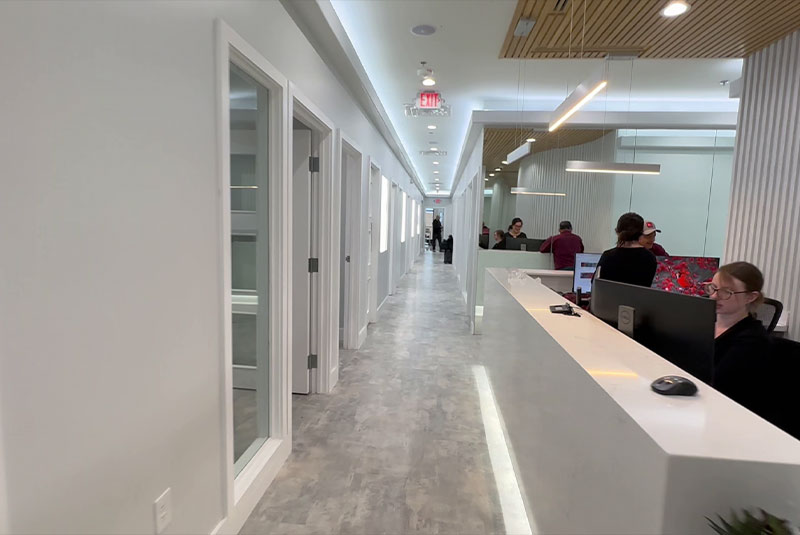
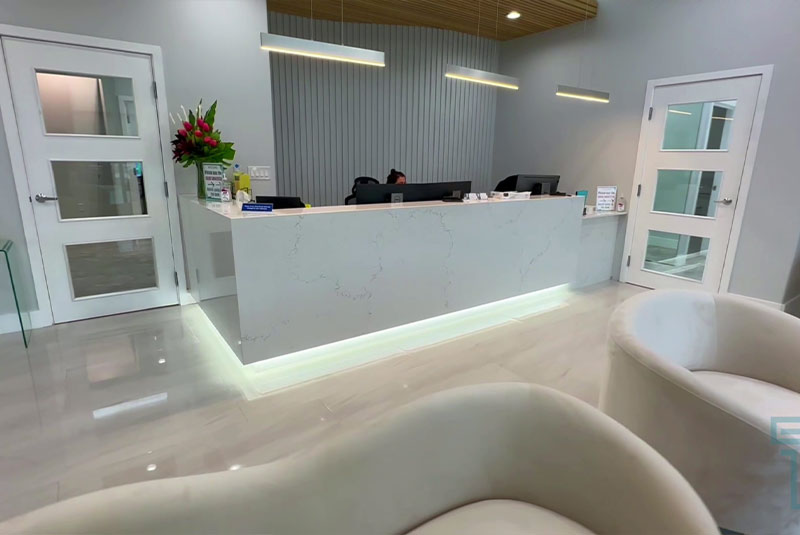
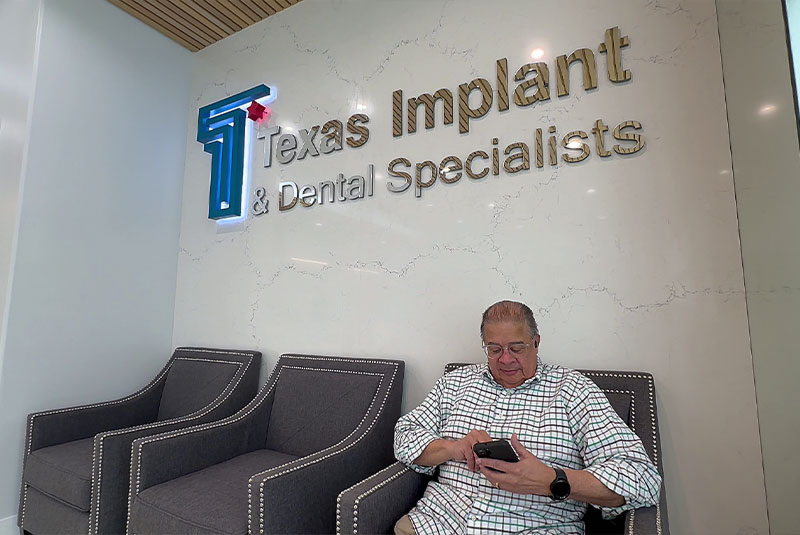
At [practice_name] in [city], [state], patient comfort begins the moment you arrive. Our modern [city] office features calming design, advanced technology and a warm, professional atmosphere. Each space - from our private consultation rooms to our state-of-the-art surgical suites - is designed for precision, relaxation and safety. We've combined innovation with hospitality to ensure every visit feels seamless and stress-free. Patients appreciate the thoughtful details, digital efficiency and attentive care that define our environment. Explore [practice_name] in [city], [state], and discover a setting where technology, comfort and compassion come together to create a truly exceptional dental experience.
Office Tour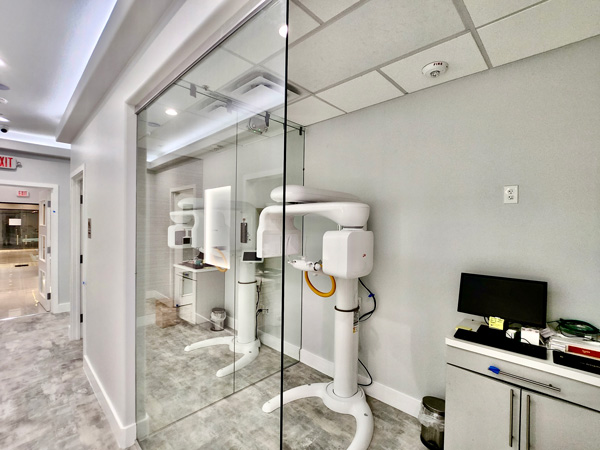
Dedicated Professionals
Creating Confident Smiles in [city], [state]
At [practice_name] in [city], [state], our team shares the same commitment to excellence as Dr. [doctor_name] and Dr. [doctor_name2]. Every member is dedicated to providing attentive, compassionate support from consultation through recovery. Patients appreciate our professionalism, warmth and focus on comfort that make each visit smooth and reassuring.
Highly trained and detail oriented, our staff combines experience with genuine care to create a welcoming environment for every patient. At [practice_name] in [city], [state], we work together to ensure precision, comfort and efficiency in every procedure. Our goal is exceptional service that earns lasting trust and satisfaction.